Vores 2-minutters survey er baseret på videnskab, det er super nemt og giver dig præcis hvad du har brug for; Overblik, benchmarks, trends, analyser og actions.
© Zoios. Alle rettigheder forbeholdes.

Vi har allerede gjort det for












Platformen, og vores trivselsmålinger, er beregnet til at udløse ærlige samtaler og drive handlinger både på teamniveau, men også for organisationen med datadrevet indsigt.
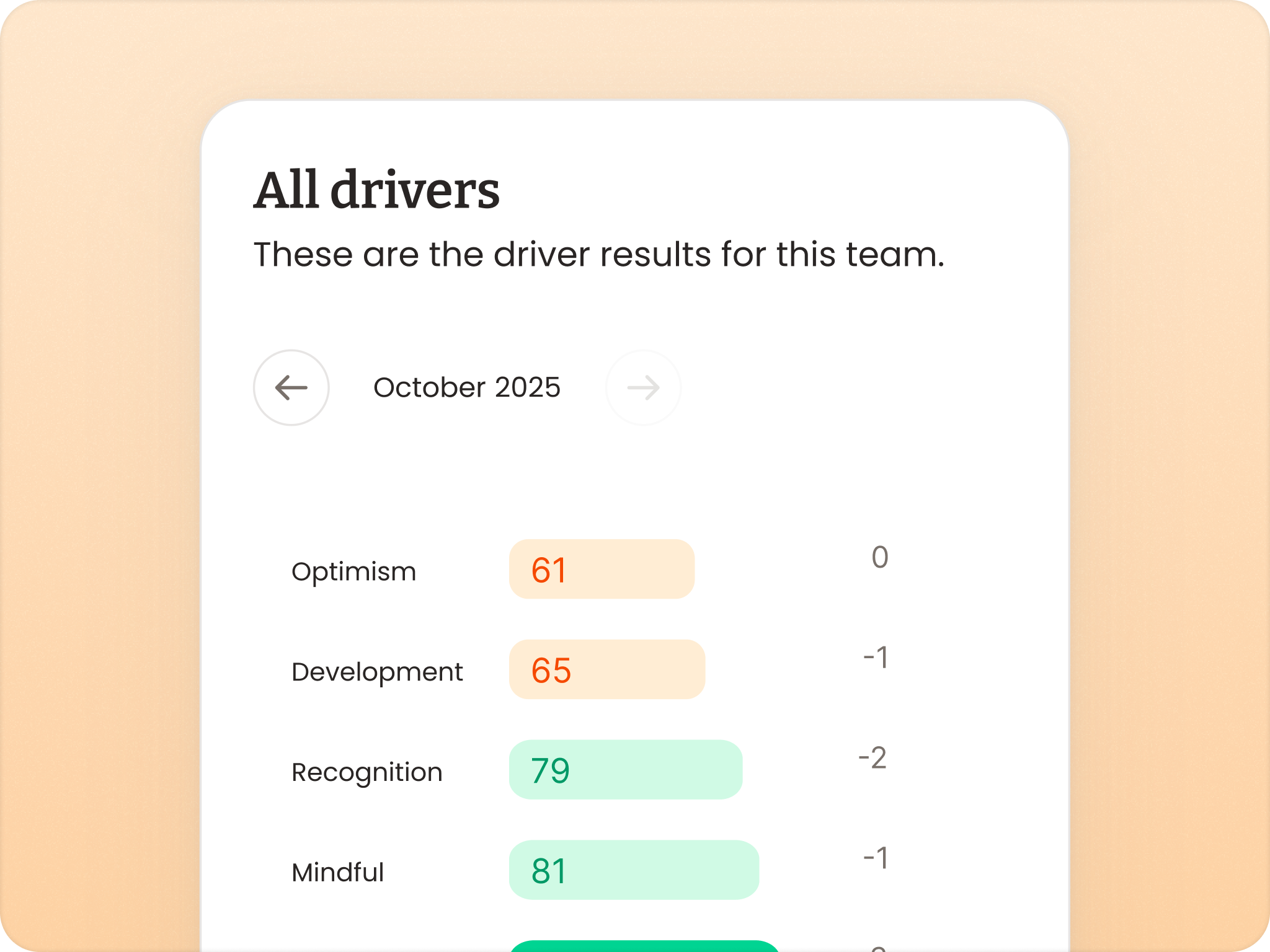
Undersøgelsens spørgsmål stammer alle fra videnskabelige studier og er udvalgt gennem nøje validering.

Zoios er meget nemt, tager kun 2 minutter at svare og al data analyse er automatiseret.
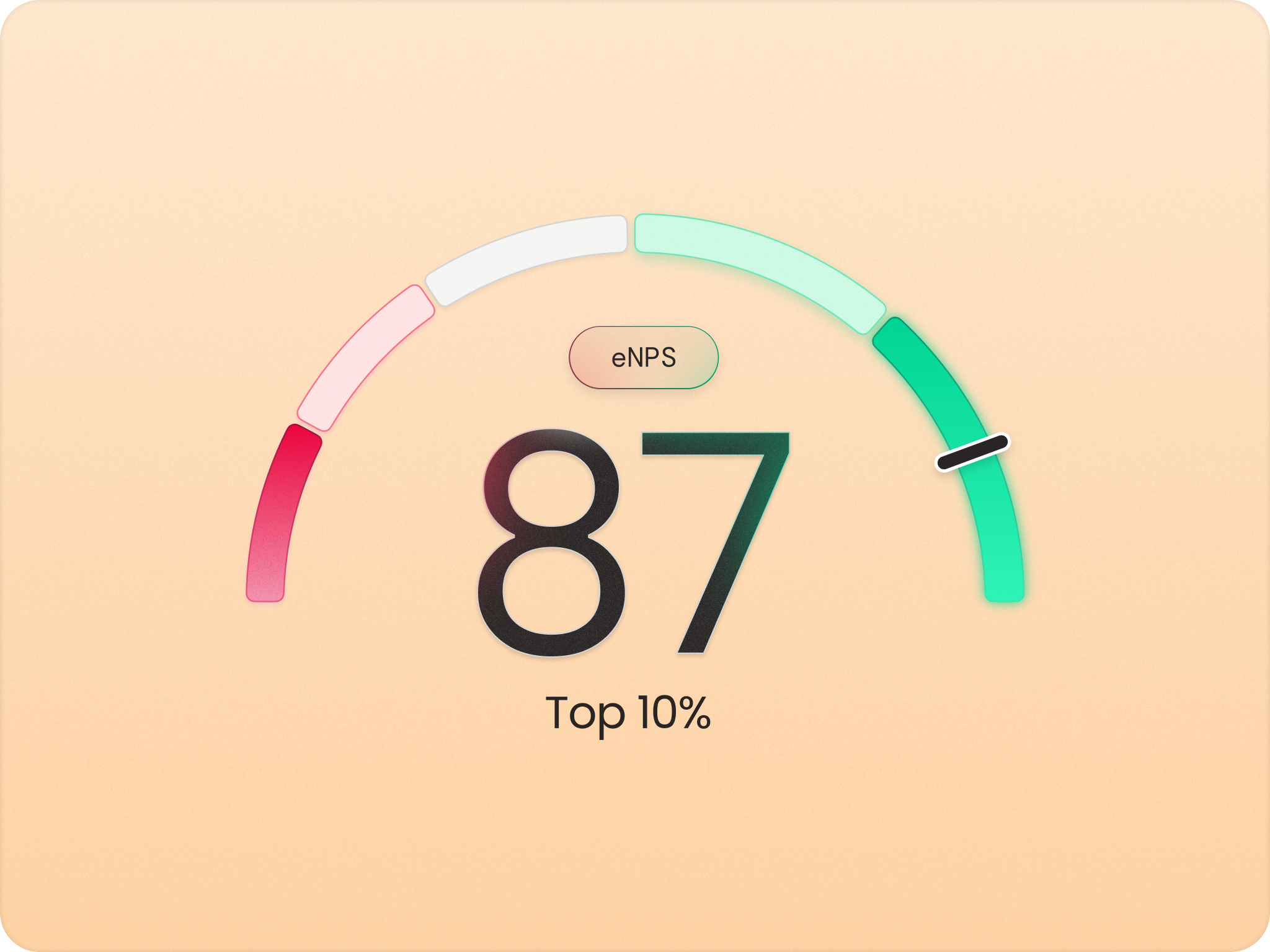
Få en objektiv vurdering af hvordan din arbejdsplads og ledere klarer det med benchmark mod andre som jer.
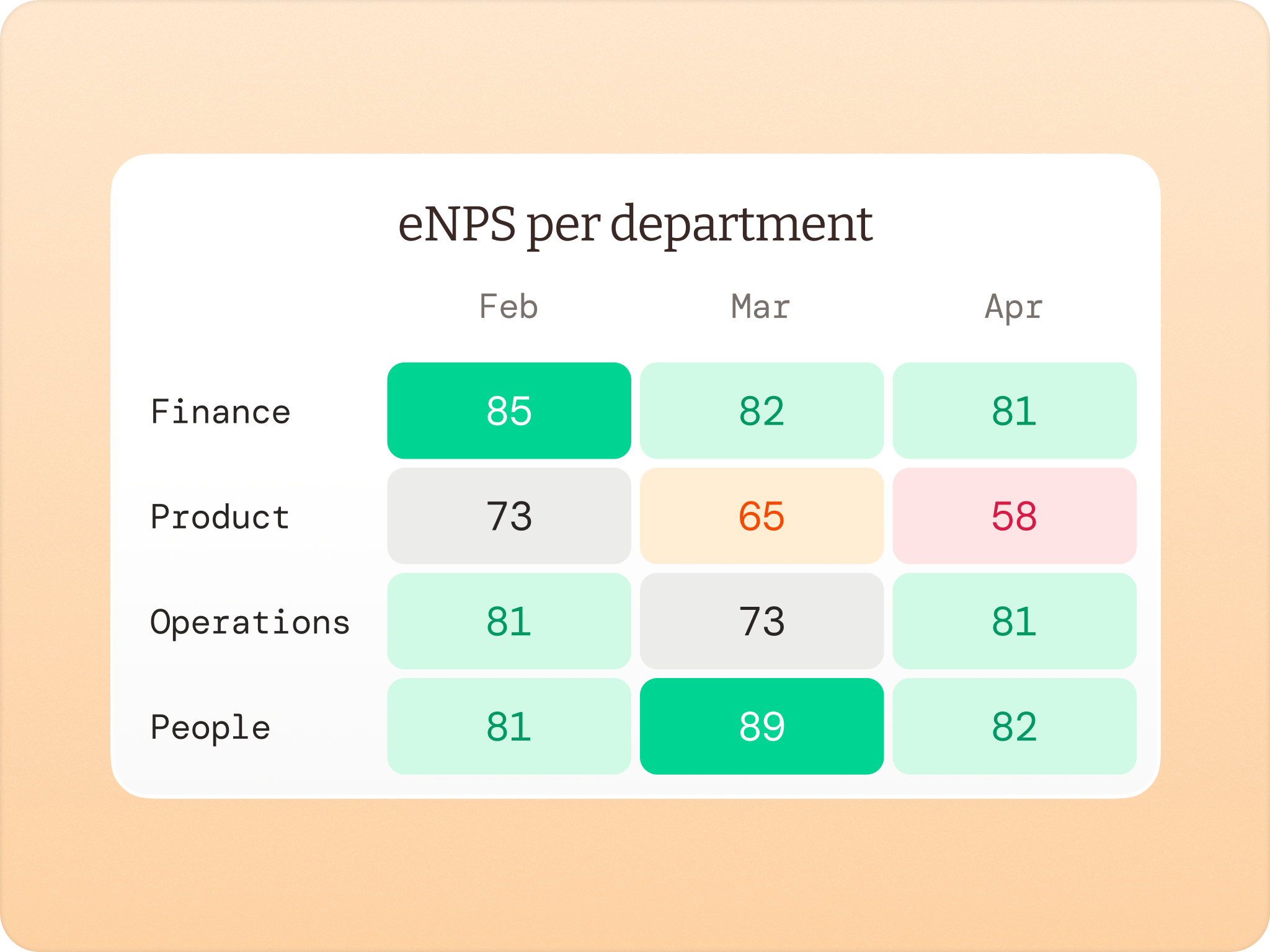
Få indsigter og resultater for hvert land, afdeling, team, køn, generation og alder i dejlige intuitive dashboards.
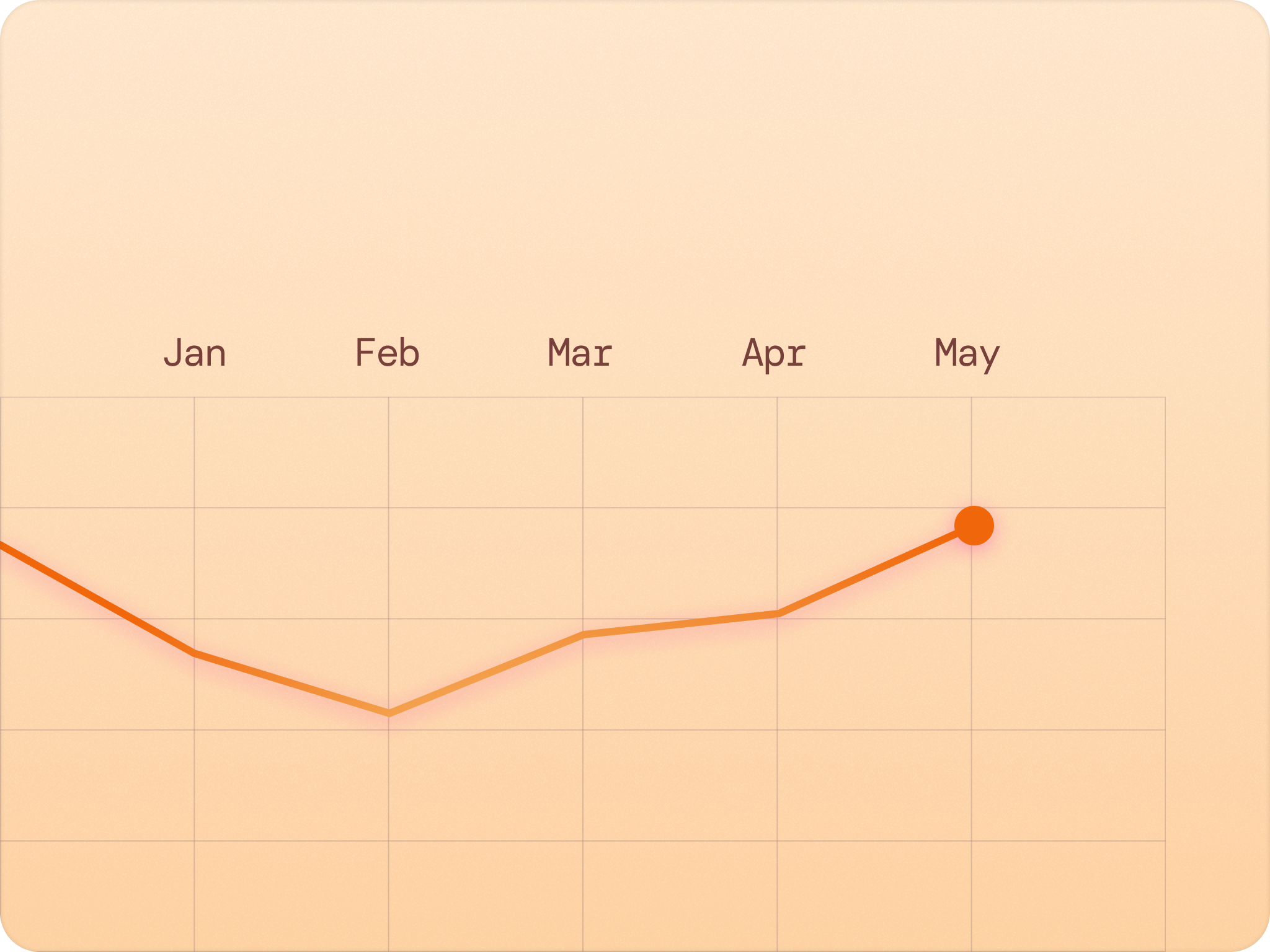
Følg jeres udvikling over tid og spot proaktivt trends for det bedre og værre som du kan udnytte.
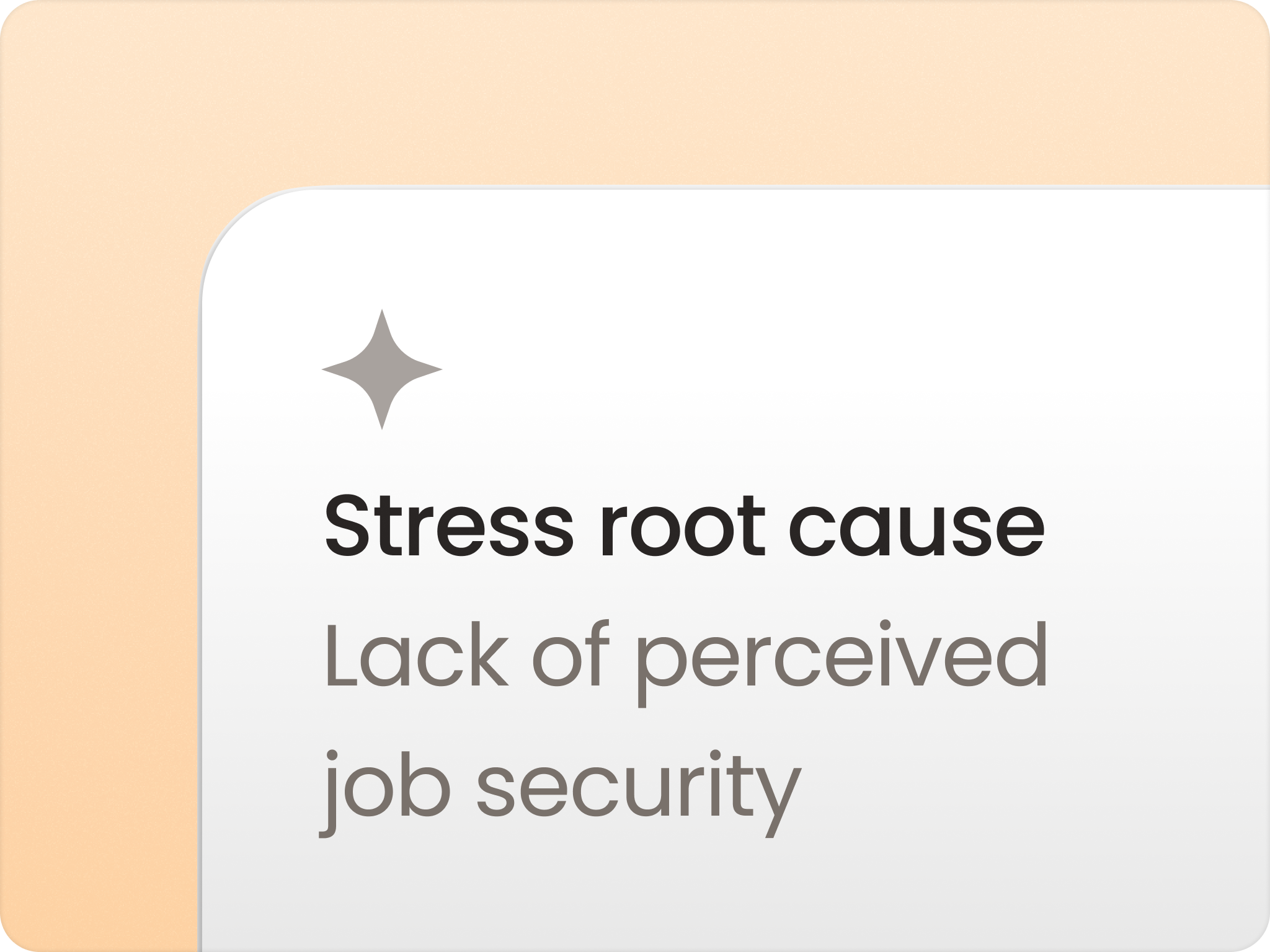
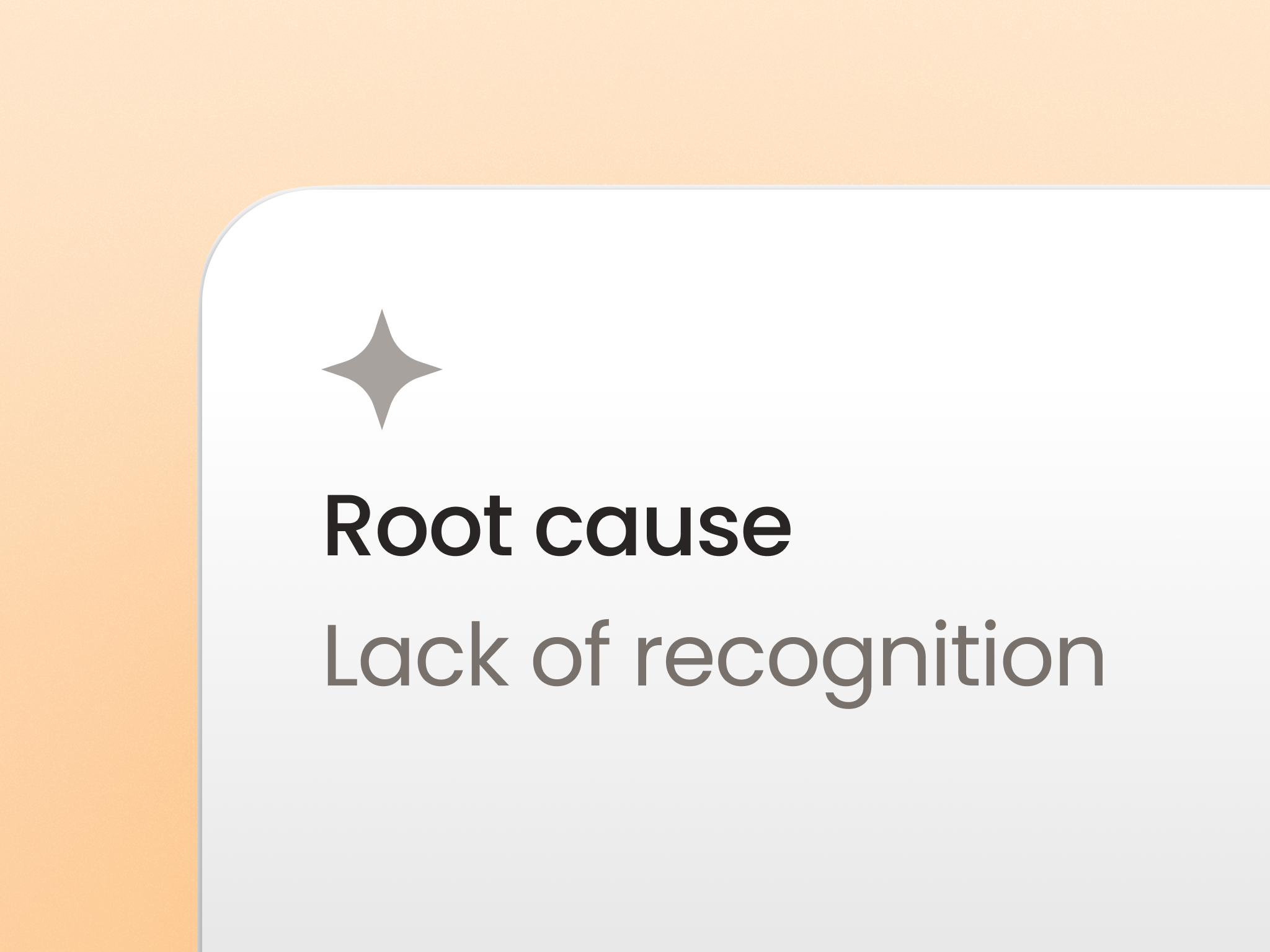
Vores big data model benytter trænede AI-modeller til at identificere årsagen samt give konkrete anbefalinger.
Du kan granulere data og få flere detaljer med hensyn til, hvad der sker...
Så når vi har en fornemmelse, kan vi faktisk validere, om det er noget, vi har brug for at tackle eller ej. Det er meget powerful!

Kan du lide det du ser og vil lære mere?
Vi kan følge tendenserne og facilitere dialoger for at foretage små eller store ændringer i vores hverdag på arbejdspladsen - for at sikre, at vi imødekommer det, der motiverer vores mennesker og udvikler dem som konsulenter.
Trivsel på arbejdspladsen lyder simpelt. Trives folk? Er de motiverede? Er de interesserede i deres arbejde? Men de fleste virksomheder gør dette enkle koncept til et bureaukratisk rod, der producerer data, som ingen bruger.
Den typiske tilgang: årlig trivselsundersøgelse, 60 spørgsmål, designet af et udvalg af ledere og medarbejdere, der faktisk aldrig har læst organisationspsykologi eller arbejdet med survey design. Når resultaterne strømmer ned til ledere, er dataene måneder gamle, og arbejdspladsen har ændret sig fuldstændigt. Ingen gør noget, fordi ingen ved, hvad der skal gøres.
Dine medarbejderes trivselsniveau ændres ugentligt baseret på projekter, deadlines, teamdynamik og hundrede andre faktorer. At måle det en gang om året er som at tjekke din bankkonto i januar og antage, at saldoen forbliver den samme indtil december.

„Føler du dig værdsat?“ , „Er du på linje med virksomhedens værdier?“ , „Vil du beskrive vores kultur som samarbejdsvillig?“ Disse spørgsmål lyder professionelle, men de fortæller dig ikke, om nogen faktisk trivses og er tilfredse.
Problemet med vage, „føl dig godt“ -spørgsmål er, at de ikke korrelerer med faktiske resultater. Nogen kan føle sig „værdsat“ og stadig gå til en forhøjelse på 10%. Nogen kan sige, at kulturen er „samarbejdsvillig“, mens de hemmeligt hader deres job.
Videnskabelig forskning har identificeret specifikke drivere, der faktisk forudsiger, om medarbejderne trives og motiveres: autonomi, anerkendelse, udviklingsmuligheder, balance i arbejdsbyrden, rolleklarhed og forbindelse til selve arbejdet. Spørg om dem. Ikke om abstrakte begreber som „tilpasning“ eller „kultur“.
Brug af en valideret ramme giver dig også branchens benchmarks. Uden benchmarks har du ingen idé om, om jeres arbejdsplads trivselsscore på 75 er god eller dårlig.
Her er, hvad der sker med lange spørgeundersøgelser om trivsel på arbejdspladsen: De mest utilfredse medarbejdere gider dem ikke. Dine mest engagerede medarbejdere fuldender dem modvilligt af loyalitet. De midterste 60% (de mennesker, du faktisk har brug for data fra) forlader dem halvvejs igennem fordi de ikke havde afsat en halv time til at svare på spørgsmål.
En spørgeundersøgelse med 40 spørgsmål giver dig ikke fire gange mere indsigt end en undersøgelse med 10 spørgsmål. Det giver dig træthed i spørgeundersøgelser, faldende svarprocent og mindre ærlige svar, når folk skynder sig igennem bare for at afslutte.
Hold det under 15 spørgsmål. Brug for det meste kvantitative vurderinger (hurtigere at besvare) med et eller to målrettede åbne spørgsmål. Og for kærligheden til alt skal du ikke bede folk om manuelt at indtaste deres afdeling, ansættelse og rolle. Din platform skal allerede have disse oplysninger og anvende dem automatisk i analysen.
En ting mere: smarte betingede spørgsmål. Hvis nogen vurderer „anerkendelse“ lavt, skal du straks spørge „Hvilken type anerkendelse betyder mest for dig?“ Det giver dig 30% mere nyttig feedback end en generisk kommentarboks i slutningen, der spørger „noget andet at tilføje?“
Årlige trivselsmålinger er for syns skyld. HR lancerer dem, ledere gennemgår scoringer for hele virksomheden, måske er der et all hands møde, hvor ledelsen siger „vi hører dig, og vi arbejder på det“, og så... intet ændrer sig i yderligere 12 måneder.
Hvorfor? Fordi medarbejderengagement ikke er statisk. Den person, der trivedes i 1. kvartal, kan blive udbrændt i 3. kvartal efter en brutal projektfrist. Holdet, der havde gode scoringer i marts, får muligvis en ny manager i august, der kører alle væk. Årlig måling kan ikke fange noget af dette.
Track medarbejderengagement månedligt eller kvartalsvis. Ja, det er mere arbejde. Men det er den eneste måde at få øje på faldende motivation, før det bliver omsætning. Hvis du venter et helt år mellem målingerne, måler du ikke engagement på en handlingsbar måde.
De fleste arbejdspladser fejler ved udførelse, ikke survey-design. De får endelig en god undersøgelse med 10 spørgsmål, lancerer den kvartalsvis og ødelægger derefter alt, hvad der sker dernæst. Her er hvad du faktisk har brug for for at få succes.
Lav svarprocent dræber engagementsmåling. Hvis kun 45% af medarbejderne reagerer, måler du ikke engagement, men snarere hvem der har stærke følelser (meget engageret eller meget frakoblet). Det stille flertal i midten, de mennesker, der faktisk risikerede at gå, gider ikke svare.
Her er den uglamourøse sandhed: du skal sende påmindelser. Flere påmindelser. Vores data viser, at hver påmindelse får ca. 50% af de resterende ikke-svarere til at svare. Første påmindelse: 50% af holdouts reagerer. For det andet: 25% mere. For det tredje: 13% mere. Sådan kommer du fra 50% til 90%.
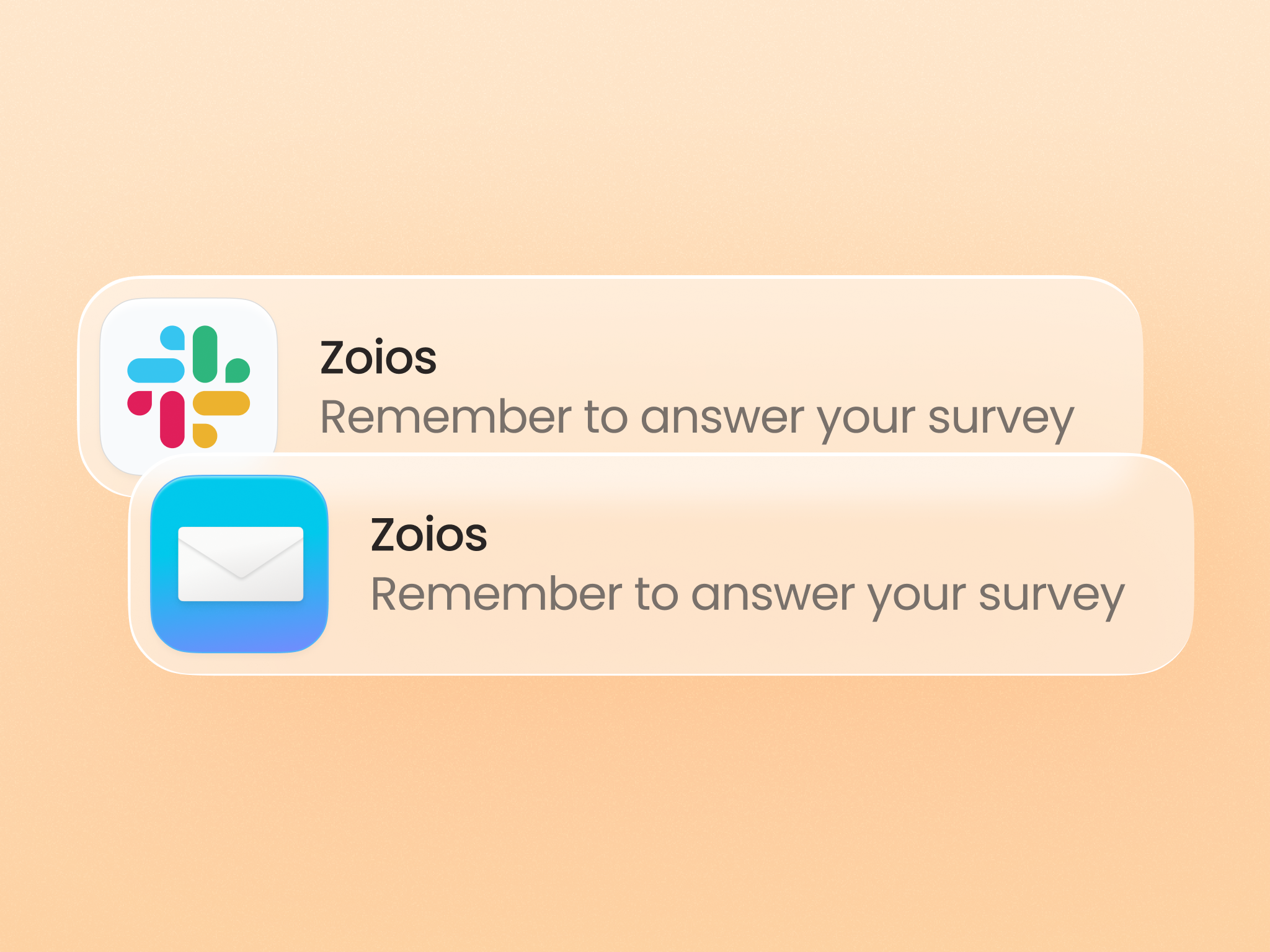
Brug værktøjer, der automatiserer dette og minder kun folk, der ikke har svaret endnu. Send påmindelser via både e-mail og Slack (ingeniører bor især i Slack, ikke e-mail). Gør undersøgelsen tilgængelig på mobil. Fjern alle mulige friktionspunkter.
Trivselsmålinger og trivselsdata har en holdbarhed. Hvis ledere får deres teamrapporter 6 uger efter, at undersøgelsen er afsluttet, ser de på gamle nyheder. Det stressede teammedlem, der scorede lavt? De har allerede trukket sig tilbage. Projektet forårsager udbrændthed? Det sluttede for tre uger siden.
Målet er, at rapporterne skal være klar inden for 1-2 dage efter undersøgelsens afslutning. Hold undersøgelsesvinduet kort (vi anbefaler 1-2 uger), så resultaterne repræsenterer et ensartet øjebliksbillede og ikke et månedlangt rullende gennemsnit af skiftende stemning.
Moderne software med realtidsanalyse gør dette muligt. Efterhånden som svar kommer ind, opdateres dashboards automatisk. Ingen ventetid på, at nogen manuelt kompilerer regneark eller bygger PowerPoint-dæk. Dataene skal være tilgængelige i det øjeblik undersøgelsen lukkes.
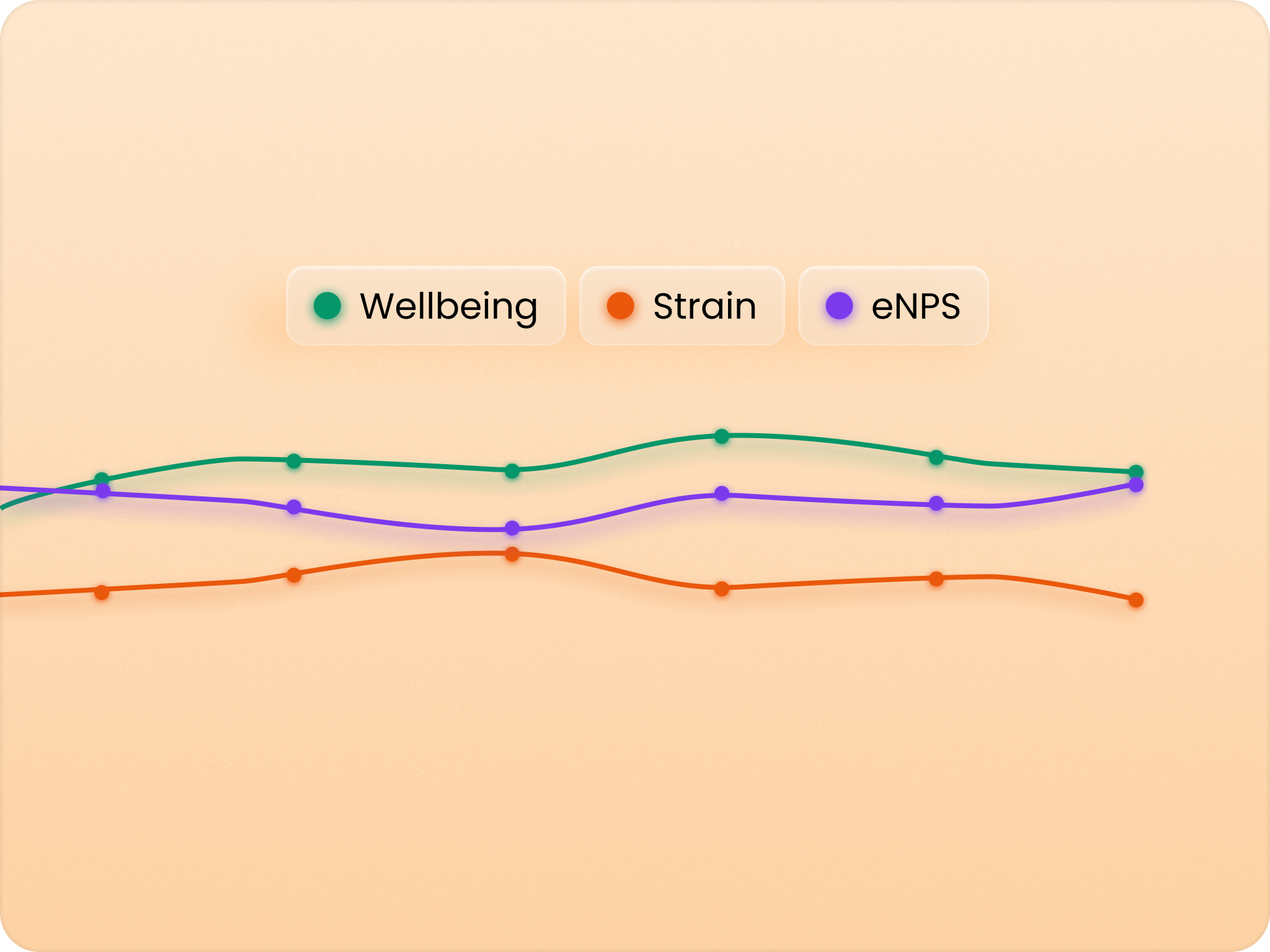
De fleste ledere stirrer på trivselsscorerne og tænker „okay, mit team scorede 67 på motivation og 72 på anerkendelse... hvad nu?“ De har travlt med at køre projekter, overholde deadlines og styre den daglige drift. De har ikke tid til at blive amatørorganisationspsykologer.
Konverter data til handling. Vis dem: „Dit teams engagement faldt, fordi arbejdsbyrden og rolleklarheden begge faldt. Her er tre specifikke ting til at løse dette: 1) Gennemgå projekttildelinger på dit næste teammøde. 2) Få 1:1 s fokuseret på prioritetsafklaring. 3) Diskuter realistiske tidslinjer for aktuelle forpligtelser.“
AI-drevne platforme kan gøre dette automatisk for hvert team. Hvis du bygger dette manuelt, skal du tildele en HR-partner til at sidde sammen med hver leder og oversætte scoringer til specifikke, konkrete handlinger, de kan tage i denne uge.
Det er nemt at komme i gang med Zoios, og du kan prøve vores pro plan gratis. Du kan også altid fortsætte med at måle trivsel og tilfredshed gratis på vores starter plan - som stadig giver fantastisk indblik og data.
Importer alle dine medarbejdere fra en Excel- eller CSV-fil. Vi hjælper dig med at gøre dette gratis. Det tager under én dag.
Hvis du har et HR-IS-system: Vi kan også opsætte en integration, der automatisk synkroniserer medarbejderoplysninger fra dit HR-system til Zoios platformen.
Tilføj en hvilken som helst segmentering som du vil have. De meste oplagte er lokationer, afdeling og team. Men det kunne være segmentering så som køn, generation, alder eller level. Alt er muligt.
Sørg for, at dine ledere er opmærksomme at du introducerer dette system for at få et overblik over organisationen og være mere proaktiv med hensyn til medarbejdertendenser, ikke for at overvåge deres individuelle præstationer.
Kommuniker det på et all-hands møde. Fortæl medarbejderne, at du begynder at måle mere aktivt og har brug for deres input. Vi har en præsentationsskabelon, du kan bruge, der dækker anonymitetspraksis, timing og hvad du kan forvente.
Sådan kører du din survey: Du bestemmer helt selv hvilken dag du vil have det sendt, og så styrer Zoios automatisk alt omkring udsende og opfølgning med medarbejderne.
Hvis du bruger Slack kan du tilføje vores integrationen med kun fire klik. Gør det før datoen for din undersøgelse, og så bliver medarbejdere også nudget på Slack til at få svaret på jeres engagement survey.
Systemet håndhæver automatisk anonymitet, så resultater fra grupper og segmenter, der er for små, vil ikke være synlige for hverken HR, ledelse eller den enkelte leder - det sørger vores platform for.
Dataene er øjeblikkeligt tilgængelige og vi konverterer data til til intuitive dashboards med benchmarks og dybe analyser på tværs af hele organisationen.
Du giver derefter dine ledere adgang til deres afdelinger og teams. Platformen vil give dem detaljerede rapporter, årsagsanalyser baseret på feedback og konkrete anbefalinger og handlinger de kan overveje for forbedre deres teams trivsel og performance.
Zoios er anonymt for medarbejdere. Vi er SOC-2 TYPE II certificeret.